

Podcast: Supportive Care in Oncology
Join Ben Gallarda as he hosts expert-led discussions on supportive care in oncology, unpacking practical strategies to prevent and manage treatment-related toxicities beyond the tumor, including key considerations in bone health. The series focuses on practical approaches to risk assessment, preemptive planning, patient activation, and multidisciplinary teamwork, supporting evidence‑based decision-making that improves treatment adherence, quality of life, and outcomes across cancer care.
Beyond the tumor: Practices to address cancer treatment toxicities
Episode 3. Florian Scotté joins Ben Gallarda to unpack how supportive care extends beyond tumor control across the full cancer continuum. Framing it as integral from diagnosis through survivorship, they discuss how proactive assessment and multidisciplinary collaboration can help anticipate and manage treatment-related toxicities. Their conversation also highlights the importance of patient education and shared decision-making, and outlines practical strategies to integrate guideline-concordant care into routine clinical workflows.
Febrile neutropenia and chemotherapy side effects: Prevention first
Episode 2. Maryam Lustberg and Ben Gallarda discuss febrile neutropenia as a serious yet potentially preventable complication of myelosuppressive chemotherapy. They examine how clinicians assess febrile neutropenia risk by integrating patient-, disease-, and treatment-related factors. Their conversation also outlines the role of proactive supportive care in preserving planned dose intensity, and how clear communication and multidisciplinary teamwork contribute to safer, more effective cancer care.
Bone health in advanced and metastatic cancer
Episode 1. When should clinicians intervene to protect bone health? Matti Aapro joins Ben Gallarda to examine bone health as a core yet often underrecognized component of supportive care in oncology. They discuss how fracture risk can be assessed across cancer settings, from treatment‑related bone loss to metastatic disease. Aapro emphasizes the importance of timely, guideline‑informed use of bone‑modifying agents, alongside key safety considerations and multidisciplinary collaboration to optimize patient care.
Meet the experts
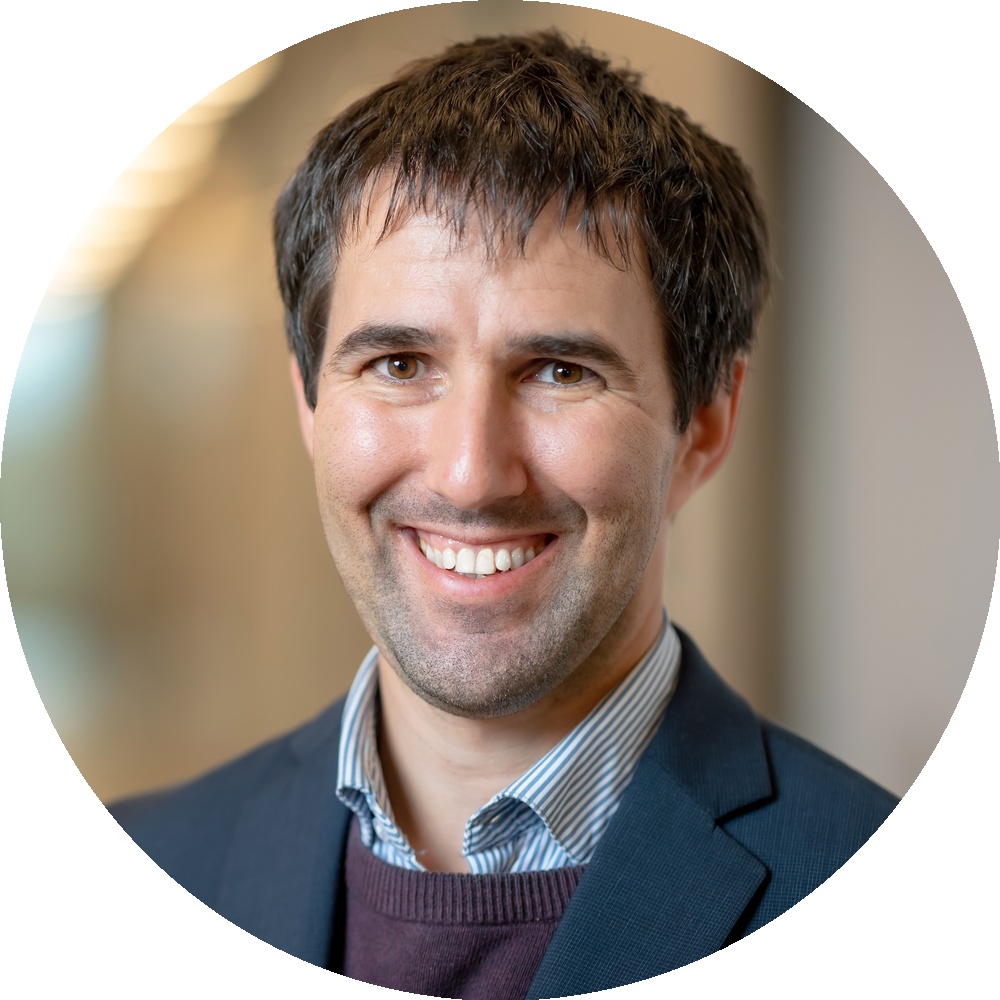
Ben Gallarda is a scientist-turned medical and AI strategist with 13+ years of experience across medical affairs, evidence dissemination, and digital transformation in pharma and life sciences. He brings a unique combination of scientific depth and broad therapeutic-area expertise across oncology, neurology, dermatology, cardiology, rheumatology, immunology, infectious diseases, ophthalmology, and more.
Disclosures: No disclosures shared at the time of publication.
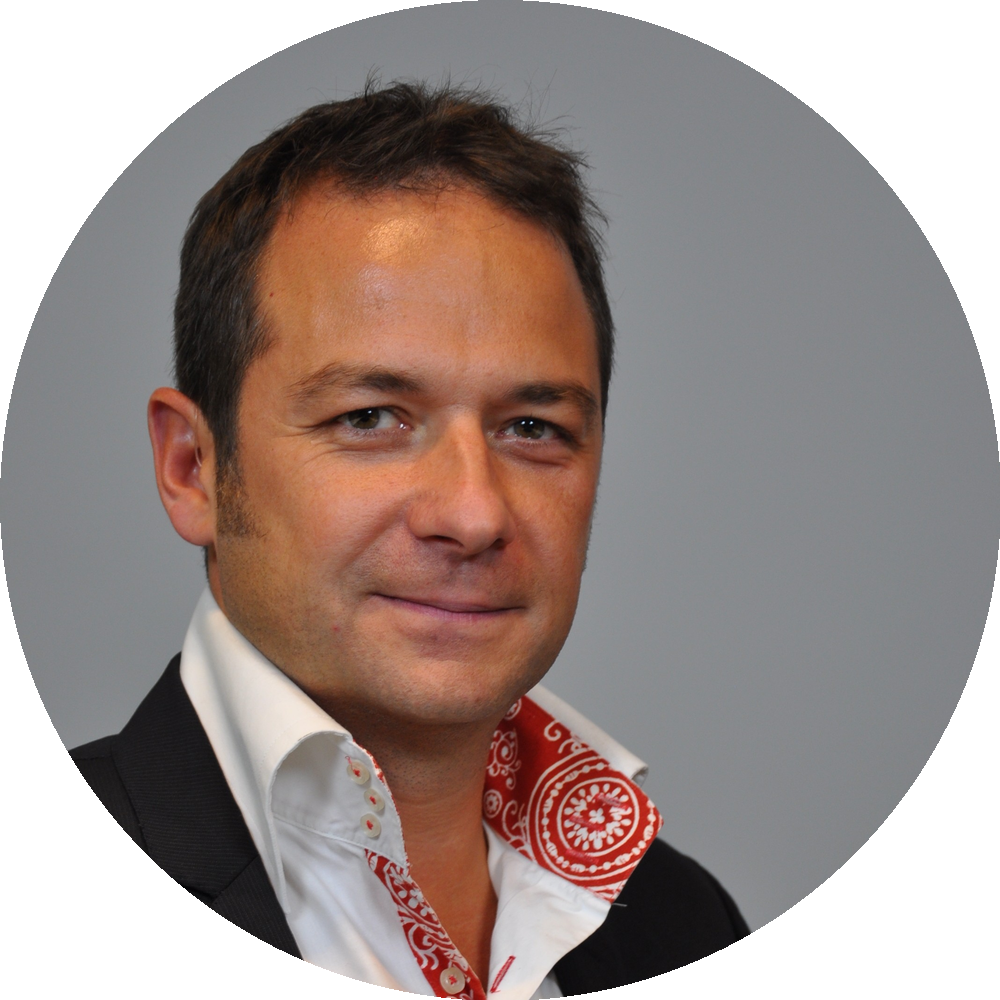
Florian Scotté is a medical oncologist specializing in head and neck cancer and supportive care in cancer. He is Head of the Interdisciplinary Cancer Course Department at Gustave Roussy Cancer Campus, France, integrating supportive, ambulatory, and critical care (including ICU and oncology emergency services). He is President of the Multinational Association for Supportive Care in Cancer (MASCC; 2024–2026), Vice-President of AFSOS (French Speaking Association for Supportive Care in Cancer), a faculty member of the European Society for Medical Oncology (ESMO), and a member of the American Society of Clinical Oncology (ASCO). As a professor at Paris-Saclay, he is involved in training healthcare professionals, as well as medical and paramedical students. His research focuses on supportive care strategies, including digital health, toxicity prevention (e.g., onycholysis), and national supportive care practice. Scotté has contributed to MASCC–ESMO guidelines, including those addressing treatment-related side effect management.
Disclosures: Amgen, Arrow, AstraZeneca, Boehringer Ingelheim, Bristol Myers Squibb, Chugai, Daiichi Sankyo, Fresenius Kabi, Gilead, Helsinn, Immedica, Janssen, LEO Pharma, MSD, Nestlé, Pfizer, Pierre Fabre Oncologie, ProStrakan, Roche, Sandoz, Sanofi, Viatris, and Vifor Pharma.
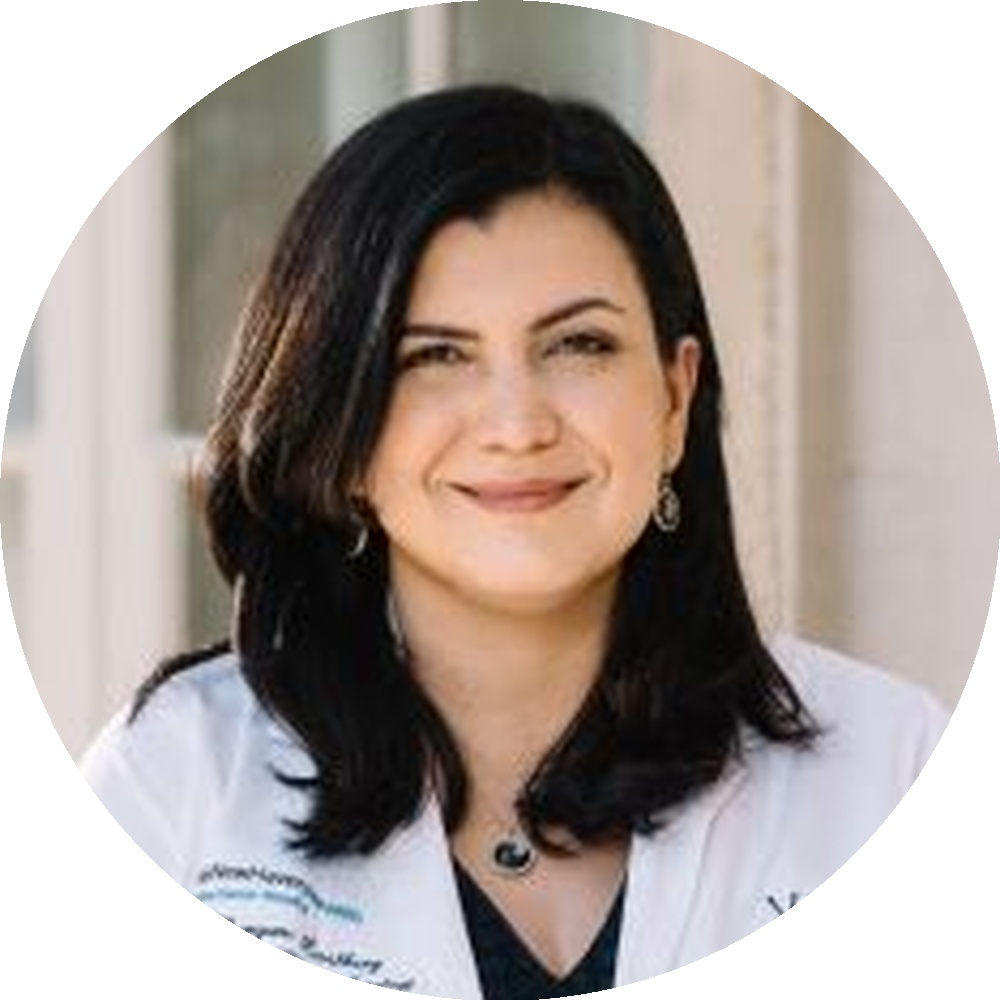
Maryam Lustberg is a breast medical oncologist who serves as Chief of Breast Oncology and Director of the Breast Center at Yale Cancer Center, New Haven, Connecticut, USA. She is Co-Chair of Symptom Intervention for the US National Cancer Institute Alliance Clinical Trials and Immediate Past President of MASCC, an international organization dedicated to improving supportive cancer care globally.
Disclosures: Consultant for AstraZeneca, Eli Lilly, Hengrui, Novartis, Pfizer, and Sanofi.
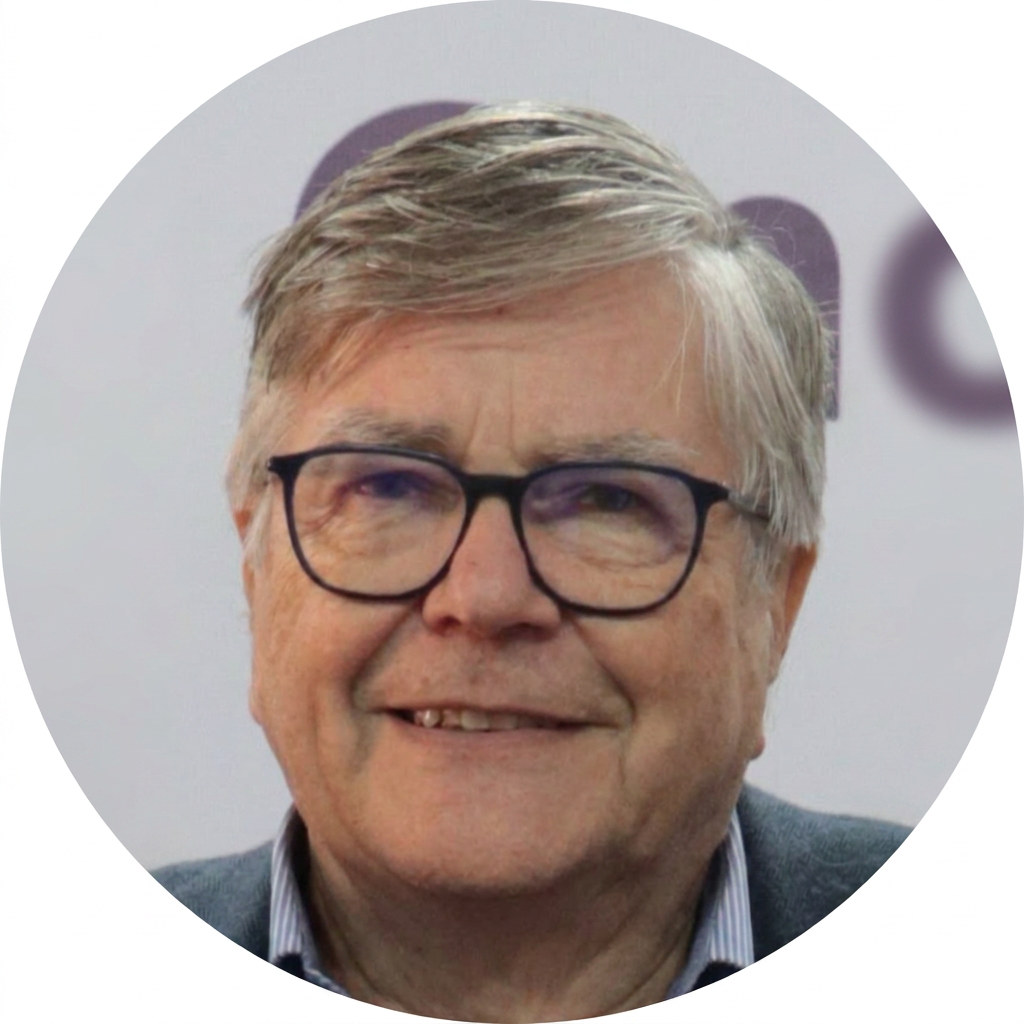
Matti Aapro is a medical oncologist and member of the Board of Directors of the Cancer Center in Genolier, Switzerland, and of the International Union for Cancer Control (UICC). He is President of Sharing Progress in Cancer Care (SPCC) and Immediate Past President of All.Can, as well as a Fellow of MASCC. He is a board member of AFSOS and the World Association for Integrative Oncology (WAIO), and an advisor to the Japanese Association for Supportive Care in Cancer (JASCC). He has also served on the boards of the European Organization for Research and Treatment of Cancer (EORTC) and ESMO.
Disclosures: Consultant or advisor for Daiichi Sankyo, Fresenius Kabi, Helsinn Healthcare, Lilly, Novartis, and Pfizer; participant in speakers’ bureaus for Amgen, AstraZeneca, Genomic Health, Helsinn Healthcare, Immedica, Knight Therapeutics, Novartis, and Pfizer; research funding (institutional) from Helsinn Healthcare and Novartis.
of interest
are looking at
saved
next event

Developed by EPG Health for Medthority. This content has been developed independently of the sponsor, Sandoz, which has had no editorial input into the content. Medthority received unrestricted educational grant funding from the sponsor in order to help provide its healthcare professional members with access to the highest quality medical and scientific information and associated relevant content, without any promotional intent. This content is intended for healthcare professionals only.